
Tissue Doesn’t Care About Your Pride
The Physiology of Adaptation in Anal Training (and Why Blood Is a Pause Button)
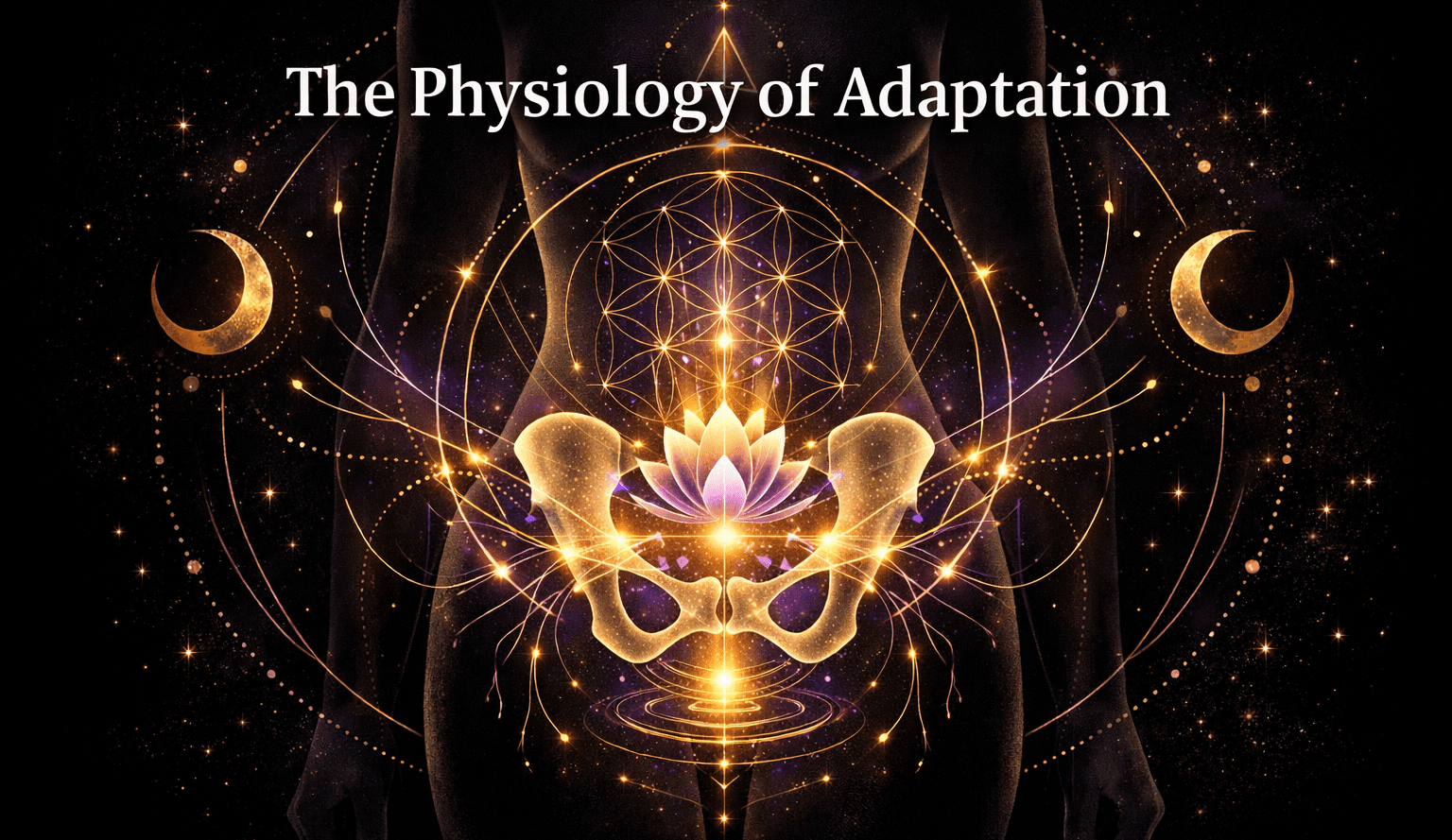
Let’s talk about the meat mechanics.
You’ve got:
- External sphincter (you control it)
- Internal sphincter (you don’t)
- The puborectalis sling (that depth gatekeeper)
- The rectum (surprisingly stretchy)
- Connective tissue that remodels over time
The anal opening is usually the rate limiter in extreme anal play. Once you’re past that, the inside (the colon) often feels more forgiving.
Depth isn’t brute force.
It’s relaxation of the puborectalis.
It’s breath control.
It’s getting your nervous system to stop screaming “threat”.
That “freefall” state people talk about?
That’s parasympathetic dominance. Deep breathing. Flow state. Not panic.
If you’re panicking, you’re not adapting.
The Sting, The Tear, The Lesson
I’ve torn my ring before. Properly. Sensitive for days.
I’ve had bleeds that made me sit there thinking “right, that’s it, never again.”
And then an hour later…
“Okay, it feels fine. Let’s just test.”
Is that wisdom? Not always.
Here’s the grounded version:
- Bright red blood = stop.
- Sharp tearing pain = reassess.
- Persistent soreness past a couple of days = rest.
- Fever, severe abdominal pain, dizziness = not a blog problem, that’s a doctor problem, seek medical assistance immediately.
Minor irritation happens. Tissue heals.
Repeated trauma without recovery creates chronic problems.
Tissue adapts to load.
But it adapts during recovery.
This is basic physiology. Collagen remodeling takes time. Sudden load spikes increase injury risk. Athletes know this. We should too.
Pelvic Floor Is Not Optional
I don’t have a perfect routine. I tighten when I remember. I play with muscular control when training. I use breath to relax. But control matters.
Kegels build strength.
Reverse relaxation builds capacity.
Squat positioning changes angles.
Core stability helps.
Depth tolerance is partly structural.
But it’s massively neurological.
The more you teach your nervous system that stretch ≠ danger, the calmer your body becomes.
That’s adaptation.
Hydration Is Not Boring
Hydration keeps mucosal tissue healthier.
Supports circulation.
Reduces strain.
Helps recovery.
You want bio-stasis. Stable systems adapt better than chaotic ones.
This isn’t about bravado.
It’s about keeping your body functional for decades.
Till next time Dah’lings
The laws of physics remain negotiable.
Jasmine x
I’m Jasmine Dlight — practitioner, researcher, and architect of sustainable progression.
This writing is part of a larger body of work exploring long-term adaptation, control, and discipline.
If you want this work to continue and deepen, you can contribute below.
Support keeps this independent and uncompromised.
Sustain the Project and earn my undying gratitude














No responses yet